
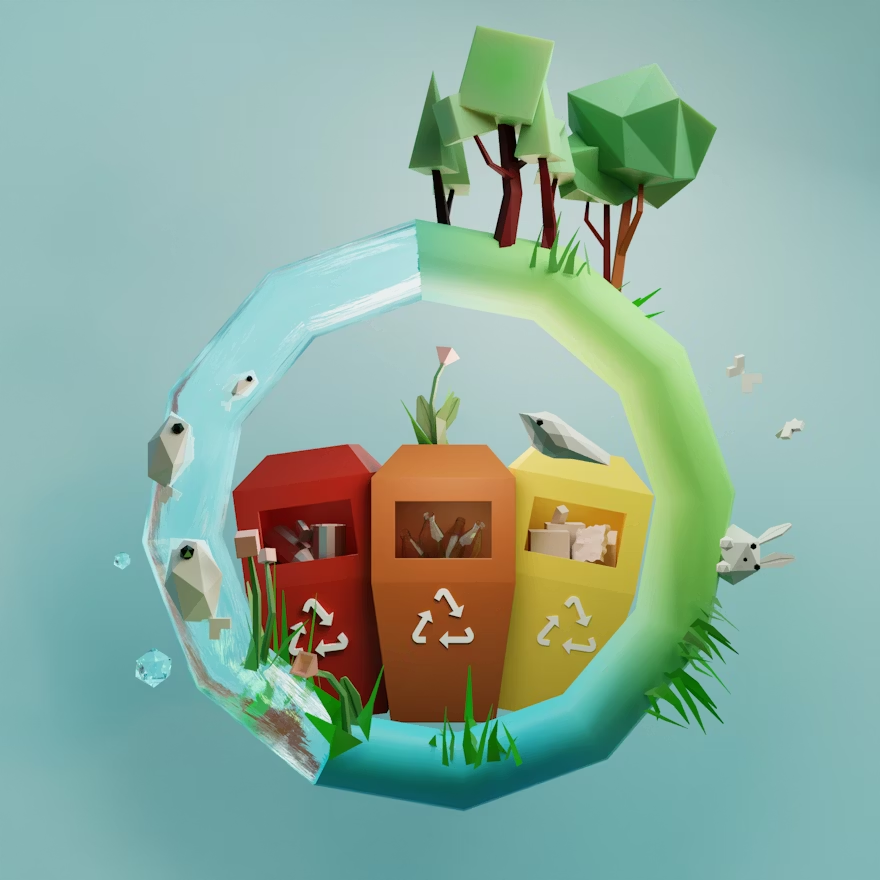
Environment Sustainability: Protecting the Planet for Future Generations
Environmental sustainability has become one of the most critical global priorities of the 21st century. With rapid urbanization, industrial growth and increasing consumption, natural resources are under severe pressure. Climate change, pollution, deforestation and water scarcity pose serious threats to human life and biodiversity. To protect our planet and ensure a healthy future for coming generations, it is essential to adopt sustainable practices at both community and individual levels. Among the most impactful initiatives are tree plantation drives, water conservation efforts and awareness about proper waste management.
1. Tree Plantation Drives: Restoring Green Cover and Balancing the Ecosystem
Trees play a vital role in maintaining environmental balance. They absorb carbon dioxide, release oxygen, reduce air pollution, prevent soil erosion and support countless species of plants and animals. However, large-scale deforestation for agriculture, construction and commercial purposes has drastically reduced forest cover in many regions. Tree plantation drives help restore ecological balance by increasing green cover and improving air quality.
When schools, communities, NGOs and corporations come together to plant trees, it encourages collective responsibility toward nature. Planting native species is particularly beneficial, as they adapt better to local climates and support local wildlife. Moreover, tree plantation drives create environmental awareness, teaching people—especially children—the importance of biodiversity and long-term conservation. Trees are not just plants; they are essential life-support systems for the planet.
2. Water Conservation: Safeguarding the Most Precious Resource
Water is one of the most valuable natural resources, yet millions of people face water scarcity every year. Overuse of groundwater, pollution of water bodies and uneven rainfall patterns have intensified the crisis. Water conservation is therefore essential for survival and sustainability.
Simple practices such as rainwater harvesting, fixing leakages, using water-saving devices, recycling wastewater and adopting drip irrigation in agriculture can significantly reduce water wastage. Communities can also protect local ponds, lakes and rivers through cleanup drives and awareness campaigns.
Educating people about the importance of water conservation is equally important. When individuals understand that every drop counts, they become more responsible in their daily usage. Conserving water today ensures that future generations will not suffer from scarcity and that ecosystems depending on water continue to thrive.
3. Waste Management Awareness: Reducing Pollution through Responsible Actions
Waste generation has increased tremendously due to rising consumerism and population growth. Improper waste disposal leads to land pollution, water contamination and severe health hazards. Plastic waste, in particular, has become a global challenge.
Waste management awareness aims to educate people about reducing waste, reusing materials and recycling whenever possible. Segregation of waste at the source—into biodegradable, recyclable and hazardous categories—ensures efficient disposal and reduces the burden on landfills. Composting organic waste at home promotes soil fertility and reduces methane emissions from landfills.
Awareness programs in schools, communities and workplaces motivate individuals to adopt sustainable habits such as avoiding single-use plastics, carrying reusable bags, bottles and containers and supporting eco-friendly products. Responsible waste management not only protects the environment but also makes cities cleaner, healthier and more liveable.
Environmental sustainability is not a one-time effort; it is a continuous responsibility that requires collective participation. Tree plantation drives help restore nature, water conservation ensures resource security and waste management awareness keeps our surroundings clean and safe. By embracing these practices, we contribute to a greener, healthier and more sustainable world for present and future generations.